
As much fun as sourdough starters are there are often many questions that come with maintaining an active starter. The first of which is what is the difference between sourdough starter and sourdough discard?
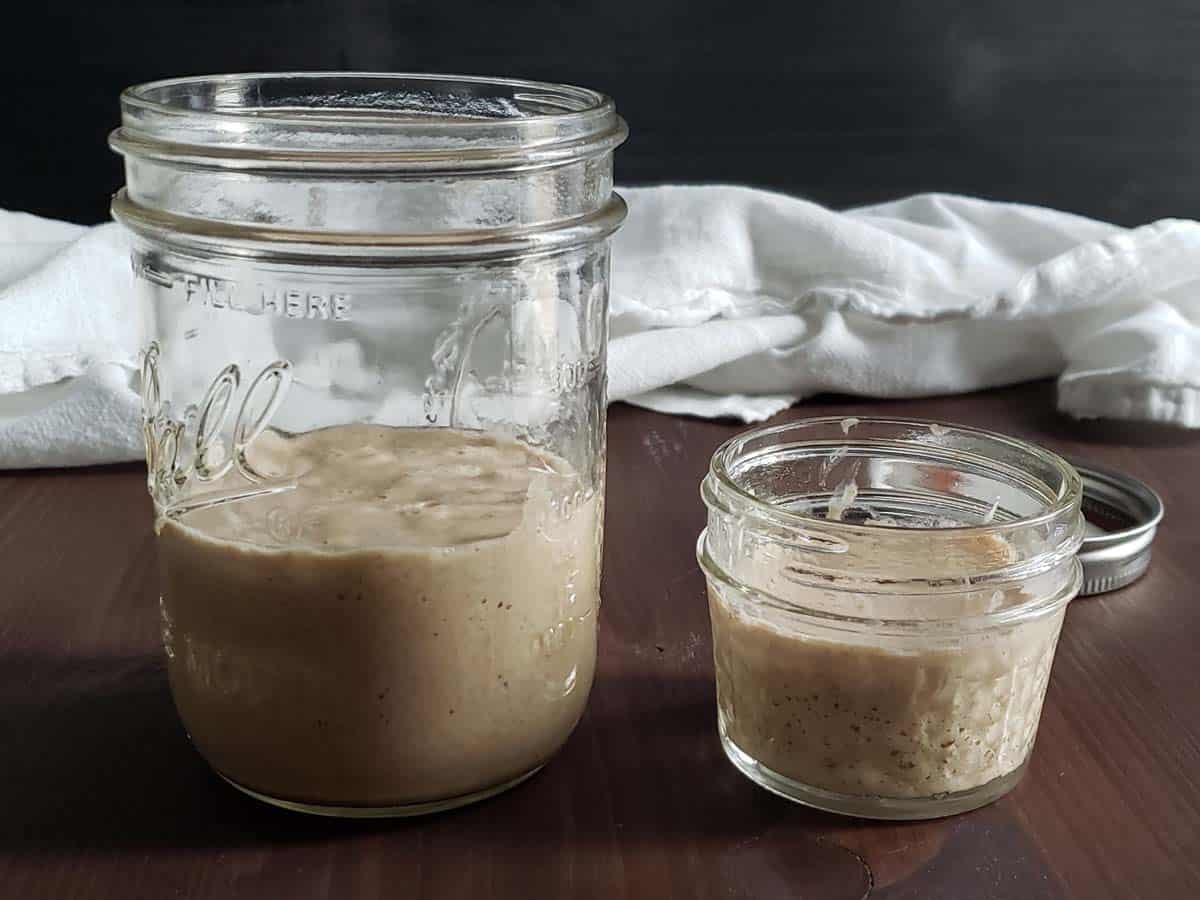
Sourdough starter and sourdough discard are made from the same ingredients, but the difference is how they're being used.
An active sourdough starter has been recently fed and is bubbly and strong enough to help leaven bread and other sourdough recipes.
Sourdough discard is the portion of starter removed during feeding. It may not be at peak activity, but that doesn't mean you have to throw it away. You can save it in the refrigerator and use it in a variety of sourdough discard recipes.
NOT SURE HOW TO STORE YOUR SOURDOUGH STARTER?
How you maintain your starter can depend on how often you bake and how much time you want to spend feeding it. Take my quick quiz to find the sourdough starter storage method that best fits your baking routine.
Jump to:
- How Can You Use Sourdough Discard?
- What Happens to Sourdough Starter if You Don't Discard?
- Can Sourdough Discard Be Used as Starter?
- How Often do You Feed Sourdough Starter?
- How Long After Feeding the Sourdough Starter is it Ready?
- What Can I Do With My Sourdough Discard?
- How Long Can You Keep Sourdough Discard Before Using?
- Can You Use Sourdough Discard Straight From the Fridge?
- Can You Freeze Sourdough Discard?
- 💬 Comments
New to sourdough? Visit my Sourdough Resource Center for everything you need to create and maintain a starter, choose a storage method and start baking.
How Can You Use Sourdough Discard?
Sourdough starter is often light, bubbly, and active. It is what you typically use in a sourdough bread recipe.
Sourdough discard doesn't have to be discarded. It is basically a mixture of flour and water which can be added to lots of different recipes.
Some of my favorite sourdough discard recipes include Sourdough Discard Pita Bread, Sourdough Cheese Crackers, Sourdough Dutch Baby, and Sourdough Tortillas.
Pro Sourdough Tip: Keep a glass jar in your refrigerator to store your sourdough discard. Continue adding to it until you're ready to bake with it. Not sure what to make? Find a sourdough discard recipe based on how much you have.
Sourdough discard especially if it has been stored in the refrigerator for a while is often watery and sluggish. It can also sometimes have a dark liquid floating on top which is known as hooch.
Tip: According to King Arthur Flour, hooch is harmless and can be stirred back into the sourdough discard or poured off if you prefer. This liquid is the alcohol given off as wild yeast ferments and is a sign that the discard is hungry. This makes sense because you don't typically feed your sourdough discard.
What Happens to Sourdough Starter if You Don't Discard?
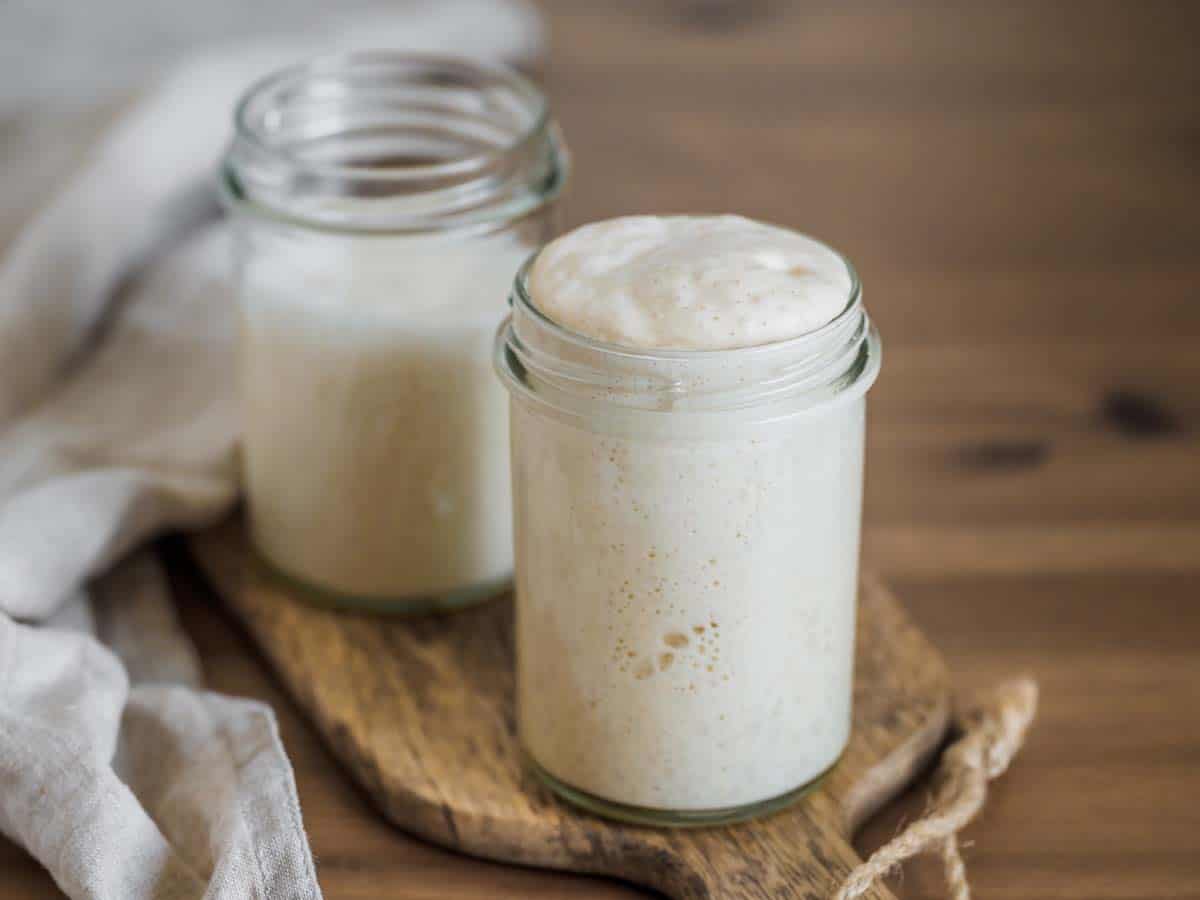
If you don't discard some of your sourdough starter when you feed it, it will continue to grow exponentially until it becomes an unmanageable blob that will swallow up your house.
Ok so the results may not be that dramatic but eventually, you will have a HUGE starter.
Typically starters are fed with a 1:1:1 ratio of sourdough starter, flour, and water. For example, if on the first day you start with 10 grams of starter, you would feed it 10 grams of flour and 10 grams of water.
At the next feeding, if you didn't discard any starter, you would have 30 grams of starter. If you're feeding at a 1:1:1 ratio, you add equal weights of starter, flour and water. Which means you need to feed 30 grams of starter with 30 grams of flour and 30 grams of water.
The cycle would continue:
90g + 90g + 90g = 270g
270g + 270g + 270g = 810g
810g + 810g + 810g = 2430g etc.
You can see how in just a few days your starter would quickly grow out of control.
Can Sourdough Discard Be Used as Starter?
Yes. Sourdough discard can become active starter again. Place a portion in a clean jar and feed it with fresh flour and water. Continue feeding it as needed until it becomes active, bubbly and reliably rises after feeding.
In fact, when someone asks me to share my starter, this is exactly what I do. I give them some discard from a recent feeding that they can feed and maintain as their own starter.
How Often do You Feed Sourdough Starter?
The answer to this question will vary greatly depending on your baking habits and how often you prepare sourdough recipes.
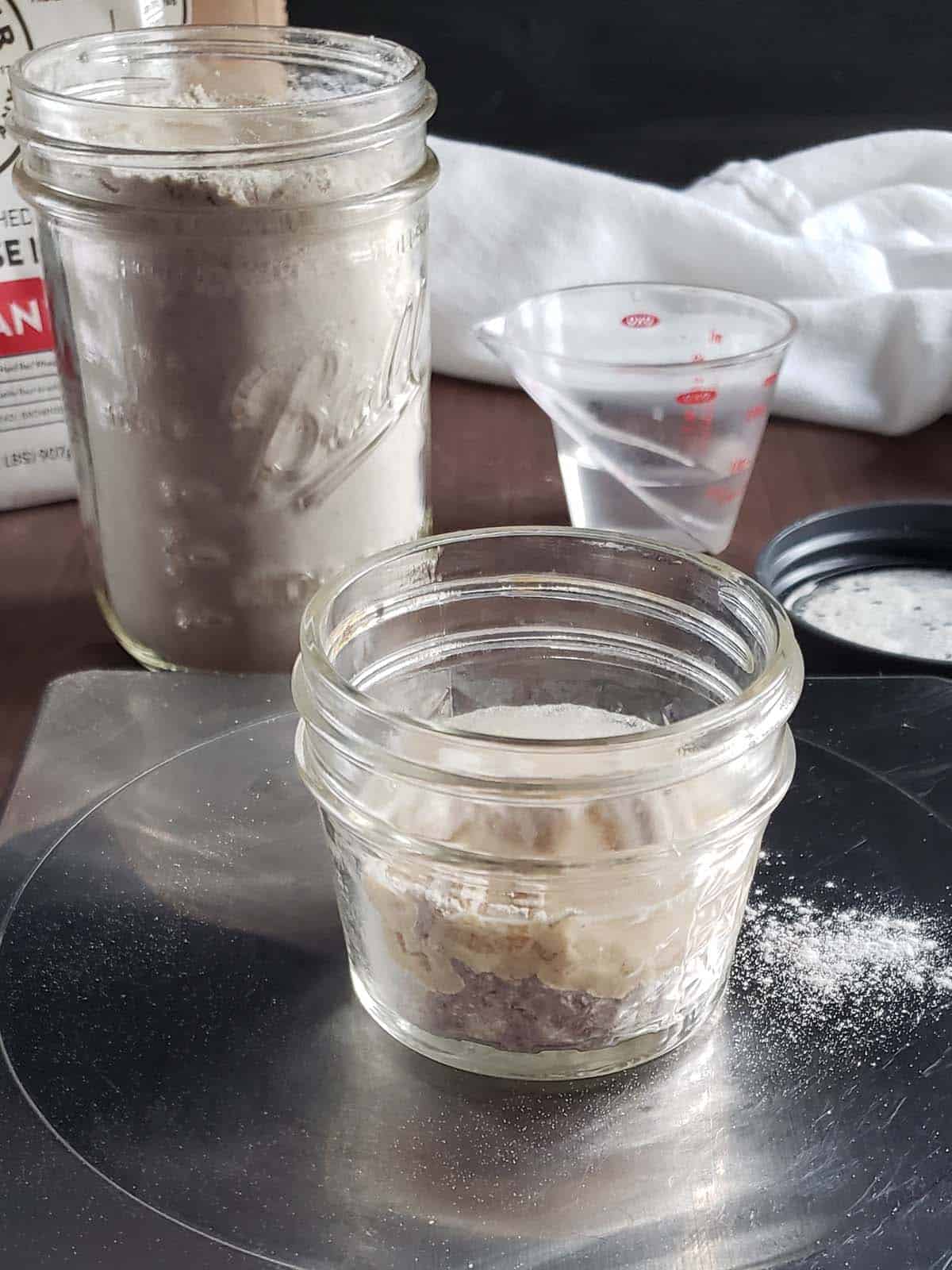
How often you feed your starter depends on how you store it and how often you bake. A starter kept at room temperature needs regular feedings, while refrigeration can significantly reduce how often it needs attention. Methods like the scrapings method or maintaining a microstarter can reduce feeding and discard even further.
Not sure which maintenance routine fits the way you bake? Take my Sourdough Starter Storage Quiz to find your best method.
How Long After Feeding the Sourdough Starter is it Ready?
The length of time a sourdough starter needs to reach its "peak" will vary depending on the age of the starter and the environment it is in.
A new weak starter will take longer to reach its peak. A starter stored in a cooler environment will also take longer to reach its peak.
A well-cared-for strong starter in a warm environment could peak in just a few hours.
The key is to watch and know your starter so that you can estimate how long it needs before it is ready to bake.
Tip: I use a rubber band around my starter jar to mark its level after feeding. This makes it easy to see when the starter has doubled in size.
What Can I Do With My Sourdough Discard?
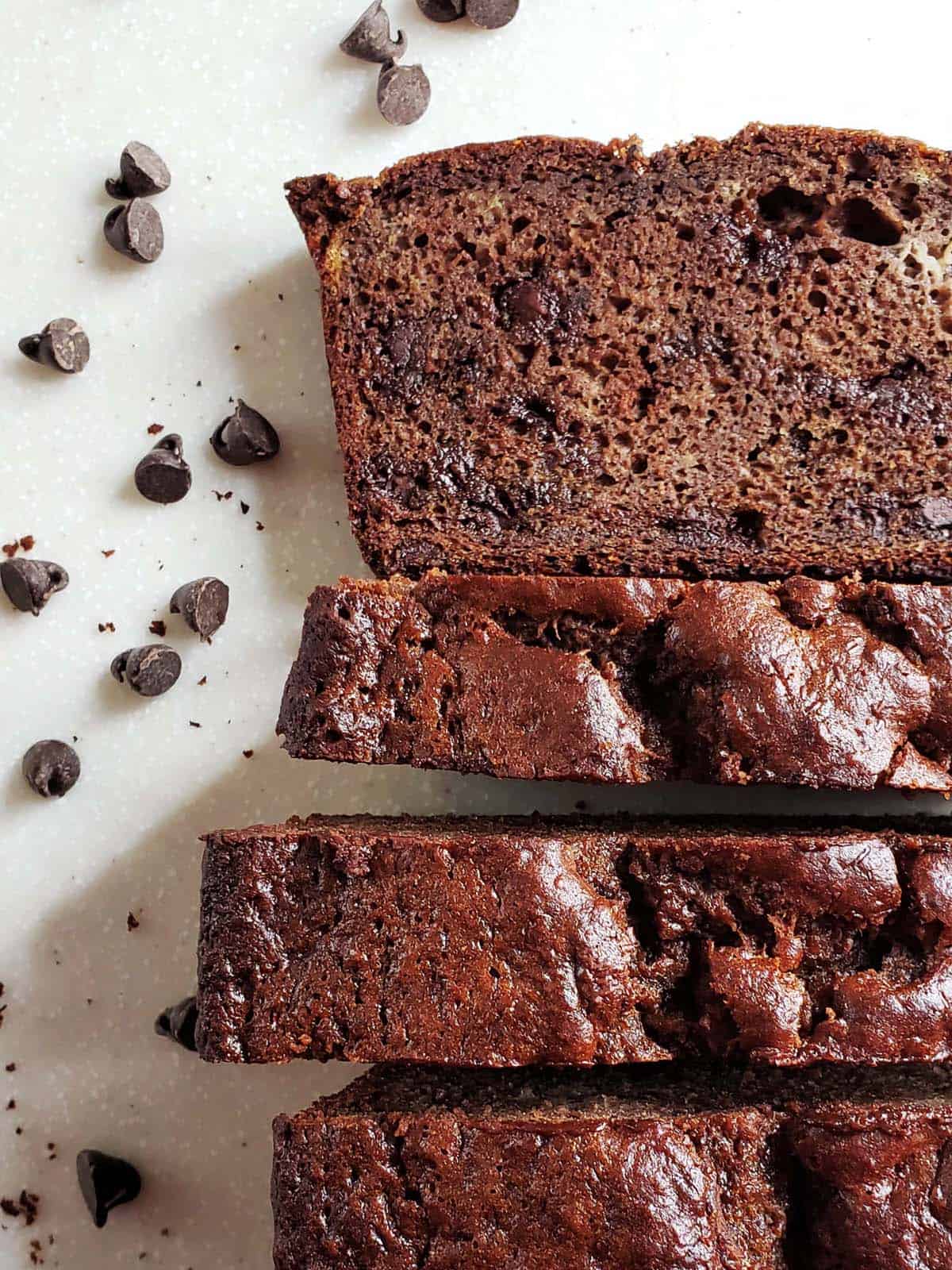
There are so many different ways to use sourdough discard. Sourdough discard is a great way to add delicious flavor to recipes. Typically discard is not strong enough to leaven baked goods so any recipe you use will have additional leavening agents, like baking powder or baking soda.
Use sourdough discard to make Sourdough Flatbread or these Sourdough-Coated Chicken Strips.
For a full list of amazing sourdough discard recipes check out this post: How to Use Sourdough Discard.
How Long Can You Keep Sourdough Discard Before Using?
How long discard lasts depends on how it has been stored and whether it shows any signs of spoilage. I keep mine refrigerated until I'm ready to use it. For more detailed storage and food-safety information, see How Long Does Sourdough Discard Last?
Can You Use Sourdough Discard Straight From the Fridge?
Yes, most of the time when sourdough discard is added to a recipe it is there for additional flavor and not to act as a leavening agent. So it doesn't have to be at its "peak." Adding sourdough discard to a recipe straight from the refrigerator is just fine.
Can You Freeze Sourdough Discard?
Yes! It is best to freeze sourdough starter in common recipe amounts like ½ cup (120g) and 1 cup (240g) portions.
To freeze sourdough starter: Place the sourdough discard in a zip top freezer bag. Label the bag with the contents and the date. Place the bag in the freezer.
Tip: If you want to freeze specific amounts of sourdough discard for future use, I recommend adding a little extra discard to the bag to account for the amount that will stick to the bag when it is defrosted.
Sourdough discard can be stored in the freezer for up to one year.
To thaw frozen sourdough starter: When you're ready to use the sourdough discard, simply take out the portion you need and let it thaw in the refrigerator or at room temperature. Once thawed, you can incorporate it into your recipes as you would with fresh discard.
Thanks for Reading!
If you try this recipe, let me know! Leave a comment and rate it below! You can also snap a picture and post it on Facebook or Instagram be sure to tag me @RaspberriesandKohlrabi.
Subscribe to get more recipes and tips by email.


Comments
No Comments