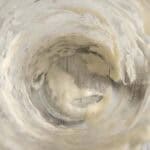
Scrapings Method for Sourdough Starter
The Scrapings Method for Sourdough Starter is a low-maintenance technique that is ideal for bakers who bake infrequently or want to conserve flour.
Equipment
Ingredients
- sourdough starter recently fed and active
- flour
- water
Instructions
- After using your active sourdough starter for baking, instead of feeding it immediately, leave just a thin layer (about a teaspoon) in your jar. No need to add flour or water at this stage.
- Place the jar in the refrigerator with a loose-fitting lid for up to 2-3 weeks.
Reactivating Scrapings
- When you’re ready to bake again, add equal amounts of flour and water. The amounts will depend on how much starter you need for your recipe.
- Mix well and let the starter sit at room temperature until it becomes bubbly and active, usually 4–12 hours, depending on your home's temperature and the age of the scrapings.
- Once the starter has doubled in size proceed with your chosen recipe.
Notes
Storage: Store the scrapings in the refrigerator for 2-3 weeks. The longer it sits, the longer it may take to reactivate.
Tips
- The reactivation time may vary. The starter should be consistently active before baking.
- Always use clean utensils to avoid contamination.
- Use Fresh Scrapings: Try not to leave the scrapings unused for more than 1–2 weeks in the fridge to prevent them from becoming too weak or moldy.
- Start Small: Begin with equal parts flour and water, then scale up as needed in subsequent feedings.
- Monitor Activity: The time it takes for the starter to become active depends on how fresh and healthy the scrapings are. If it seems sluggish, try a boost with whole wheat or rye flour.
- Mark your container to track how much the starter rises after feeding.
